

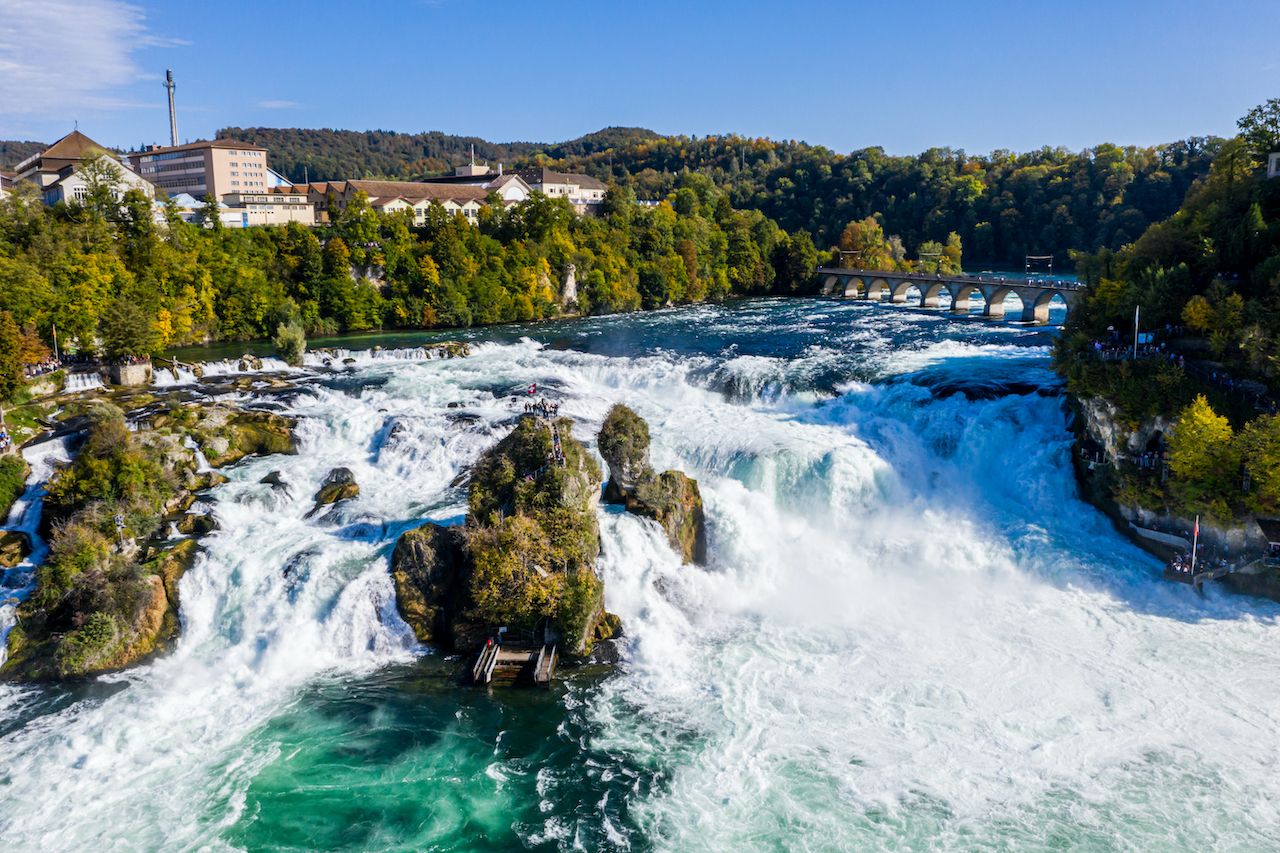
Quick answer
The zurich to rhine falls distance measures 47 kilometers by direct route, translating to roughly 50 minutes by car via the A4 motorway or 55 minutes by regional train to Neuhausen am Rheinfall station. Road distance increases slightly to 52 kilometers if routing through Winterthur. Train travelers change once at Schaffhausen, adding 10 minutes to the journey, while express coaches cover the distance in approximately 70 minutes depending on traffic.
The Rhine carves through northern Switzerland at its most dramatic point 47 kilometers from Zurich's city center, where 23 meters of elevation drop creates the thundering cascade visible from multiple cantons. The zurich to rhine falls distance remains deceptively short for an attraction of this scale—less than an hour separates Bahnhofstrasse from the viewing platforms at Schloss Laufen, yet the landscape transitions from urban density to the Hochrhein valley's forested banks and medieval silhouettes. Most visitors underestimate the route's directness. The A4 motorway traces the Rhine's course northeast through Kloten and Embrach before the Schaffhausen canton boundary, where signage redirects traffic toward Neuhausen am Rheinfall. Rail passengers board S-Bahn lines at Zurich Hauptbahnhof, connecting at Schaffhausen's baroque station before the final six-kilometer segment to the falls' dedicated stop. Both modes deposit arrivals within 400 meters of the main observation decks, though the castle approach requires a brief ascent from the parking areas. Seasonal variables alter journey duration more than absolute distance. Summer weekends concentrate traffic on the single-lane approach to Areal Schloss Laufen, extending drive time by 15 minutes during midday peaks. Autumn and spring keep roads fluid, while winter ice occasionally mandates tire-chain requirements on secondary routes near Dachsen. Train schedules maintain year-round consistency, departing Zurich twice hourly with minimal delay—the 55-minute published duration holds reliable even during December snowfall. The conservation fee of 5 CHF grants platform access and Historama entry, a fixed cost regardless of arrival method. Visitors planning multiple attractions in the Schaffhausen region often combine the waterfall with Munot fortress or the medieval Altstadt, both accessible within the same half-day window. The zurich to rhine falls distance suits spontaneous departures—no advance booking required for access, though guided tours departing from Zurich's hotels typically include reserved seating and commentary en route.
“The 47-kilometer corridor from Zurich to the Rhine's largest cascade compresses Switzerland's geographic diversity into a single hour of travel.”
Understanding the Zurich to Rhine Falls Distance and Travel Routes
The Rhine Falls are located approximately 50 kilometers north of Zurich near the town of Dachsen. Travelers can reach the site address at Areal Schloss Laufen, 8447 Dachsen, Switzerland, easily via direct regional rail connections or by following major highway routes.
S-Bahn line S24 from Zurich HB to Schloss Laufen am Rheinfall
A1/A4 motorway toward Schaffhausen, exiting at Uhwiesen/Laufen
Direct transfer via A4 motorway
The Best Time to Visit After Traveling the Zurich to Rhine Falls Distance
The best arrival window is 09:00–16:00 to avoid peak crowds and ensure visitor center and castle amenities are fully operational. Planning your visit within this period allows for a more manageable experience at the site.
Weekday mornings
Low crowd density—
Arriving early minimizes wait times at viewing platforms.
Summer months
High volume of visitorsWarm, average 20°C to 25°C
Peak tourism occurs during July and August.
Spring and Autumn
Moderate attendanceMild, average 10°C to 18°C
These shoulder months provide balanced conditions for exploring the area.
Winter period
Minimal visitor trafficCold, average 0°C to 5°C
Outdoor viewing remains accessible despite lower temperatures.
Verdict: The best time to visit is Tuesday to Thursday between 09:00 and 16:00 during the months of April or October.
Operating Hours for Your Zurich to Rhine Falls Distance Trip
The Rhine Falls site remains accessible daily throughout the year. Visitors may access the grounds at any time during the day.
| Monday | 00:00–23:59 | |
|---|---|---|
| Tuesday | 00:00–23:59 | |
| Wednesday | 00:00–23:59 | |
| Thursday | 00:00–23:59 | |
| Friday | 00:00–23:59 | |
| Saturday | 00:00–23:59 | |
| Sunday | 00:00–23:59 |
Sights to Combine with the Zurich to Rhine Falls Distance
The region surrounding the Rhine Falls offers several historic and cultural landmarks that complement a trip from Zurich. Combining these nearby sites allows for a more comprehensive exploration of the northern Swiss landscape.
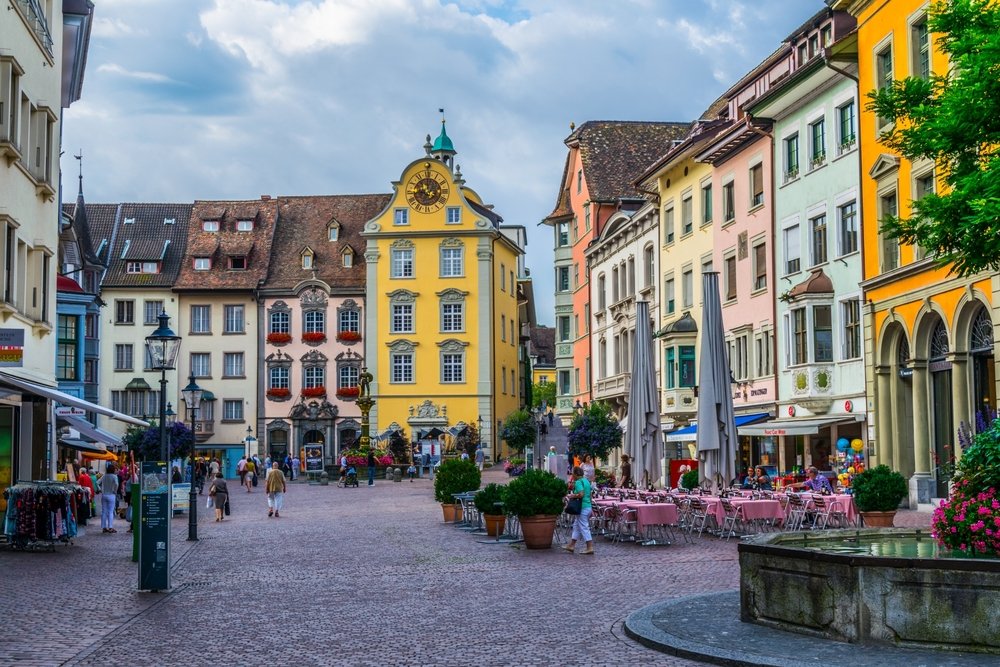
Schaffhausen
This medieval town features the Munot fortress and preserved guild houses that reflect local history. It pairs well with the falls due to its proximity and accessible rail connection.
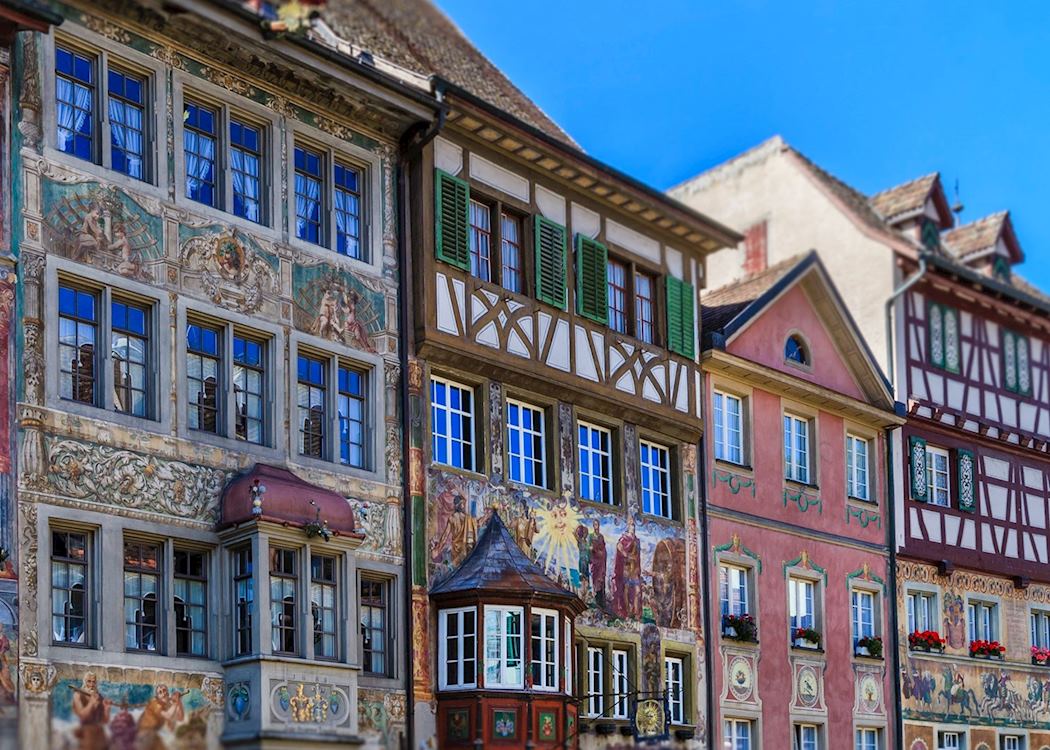
Stein am Rhein
Known for its well-preserved medieval center and painted building facades, this town provides a contrast to the natural setting of the Rhine. It is a logical next stop when traveling further along the Rhine river.
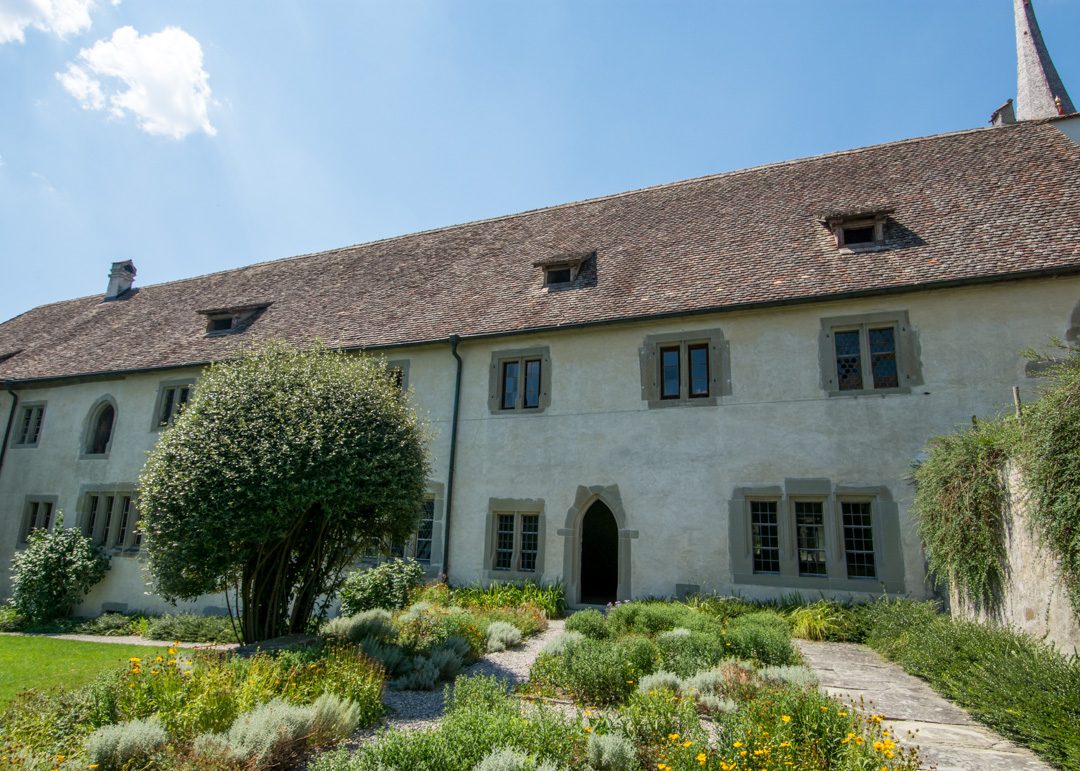
Monastery of St. George
Located in Stein am Rhein, this site offers insights into monastic life and medieval architecture. It complements a waterfall visit by adding a cultural and historical dimension to the excursion.
Check availability
Frequently Asked Questions About Zurich to Rhine Falls Distance
Everything you need to know about zurich to rhine falls distance